By Sailor SEO on October 23, 2025

As AI-powered search experiences like Google AI Overviews, ChatGPT, Perplexity, and Microsoft Copilot reshape how users find information online, businesses face a critical challenge: how to maintain and increase visibility in this new AI-driven search landscape. This comprehensive guide reveals proven strategies to optimize your content for AI search engines, ensuring your business appears prominently in AI-generated responses and maintains competitive advantage in 2025 and beyond.
Focus on structured data (FAQ and How-To schema), create authoritative question-answer content, establish expertise through credentials, use natural conversational language, and maintain factual, up-to-date information. AI systems prioritize clear, authoritative sources.
The search landscape has undergone a seismic shift in the past year. Traditional search engines now incorporate AI-generated summaries at the top of results, while entirely new AI-powered search platforms have emerged as legitimate alternatives to Google. ChatGPT's SearchGPT, Perplexity AI, and Microsoft Copilot are processing millions of queries daily, fundamentally changing user expectations and search behavior.
According to recent studies, over 60% of informational searches now display AI-generated responses, and this percentage is growing rapidly. For businesses, this means that traditional SEO strategies alone are no longer sufficient. You need a comprehensive approach that addresses both conventional search engines and AI-powered discovery platforms. Our SEO audit services now incorporate AI search optimization as a core component of every strategy.
AI search engines operate fundamentally differently from traditional search algorithms. While conventional SEO relies heavily on backlinks, keyword matching, and technical signals, AI systems evaluate content based on semantic relevance, topical authority, comprehensiveness, and information quality.

AI search platforms prioritize several key factors when selecting content to feature in their responses. First, they assess topical expertise and authority by analyzing the depth of coverage across related topics in your content ecosystem. Second, they evaluate information quality through fact-checking against authoritative sources and identifying contradictions or inaccuracies. Third, they measure content comprehensiveness by determining whether your content fully addresses user intent and related questions. Finally, they analyze source credibility through brand reputation, expert authorship, and citation patterns.
Understanding these factors is crucial for optimizing your content strategy. Our comprehensive SEO audits now include AI readiness assessments that evaluate your content against these critical AI ranking factors.
AI systems process and understand content differently than traditional search crawlers. To maximize AI search visibility, your content structure must facilitate easy parsing and comprehension by artificial intelligence.
Use proper heading hierarchy (H1, H2, H3) that mirrors natural question patterns and topic progression. AI systems rely heavily on these structural elements to understand content organization and extract relevant information. Each heading should be descriptive and include natural language variations of your target topics.
AI search engines favor content that provides direct, concise answers followed by detailed explanations. Structure your content to answer the primary question in the first paragraph, then expand with supporting details, examples, and context. This "answer-first" approach significantly increases the likelihood of being cited in AI-generated responses.
Our SEO content writing services specialize in creating AI-optimized content that balances direct answers with comprehensive coverage, maximizing both traditional SEO performance and AI search visibility.
One of the most effective strategies for AI search visibility is establishing comprehensive topical authority through strategic content clustering. AI systems recognize and reward sites that demonstrate deep expertise across related topics rather than superficial coverage of disparate subjects.

Develop comprehensive pillar pages that cover broad topics in depth, serving as authoritative resources on core subjects related to your business. These pages should be 3,000+ words, address multiple subtopics, and link to more specific cluster content.
Create detailed pages addressing specific aspects of your pillar topics. These cluster pages should link back to the pillar content and to each other where relevant, creating a web of topically related content that AI systems recognize as comprehensive subject expertise.
This approach mirrors how AI systems learn and organize information, making it more likely that your content will be selected as authoritative when generating responses. Our SEO-optimized blog post creation implements strategic content clustering to build topical authority systematically.
While schema markup has always been important for SEO, it's become absolutely critical for AI search optimization. Structured data provides the explicit context that AI systems need to accurately understand and categorize your content.
Implement FAQ schema to explicitly mark questions and answers, making it easier for AI to extract and cite your content. Use Article schema with detailed metadata including author credentials, publication dates, and modification timestamps. Add How-to schema for procedural content, as AI systems frequently cite step-by-step instructions. Include Organization and LocalBusiness schema to establish entity recognition and authority.
These structured data implementations help AI systems understand not just what your content says, but what it means and how it relates to other information. Our technical SEO services ensure your content is properly structured for maximum AI comprehension and citation potential.
AI systems are remarkably sophisticated at evaluating content quality, going far beyond simple keyword matching to assess genuine value and expertise.
Google's E-E-A-T framework (Experience, Expertise, Authoritativeness, Trustworthiness) is even more critical for AI search. AI systems actively evaluate these signals through multiple indicators including author credentials and biographical information, citation of authoritative sources, factual accuracy and consistency, and demonstration of firsthand experience.
AI-powered search engines strongly prefer comprehensive content that thoroughly addresses topics from multiple angles. Shallow content that merely scratches the surface is unlikely to be cited by AI systems, regardless of traditional SEO optimization.
This requires a fundamental shift from quantity to quality in content strategy. Our human editing and optimization services ensure that every piece of content meets the high quality standards that AI systems demand.
ChatGPT, Claude, and similar conversational AI platforms represent a new category of search experience. While they don't operate like traditional search engines, they do access and cite web content when generating responses.
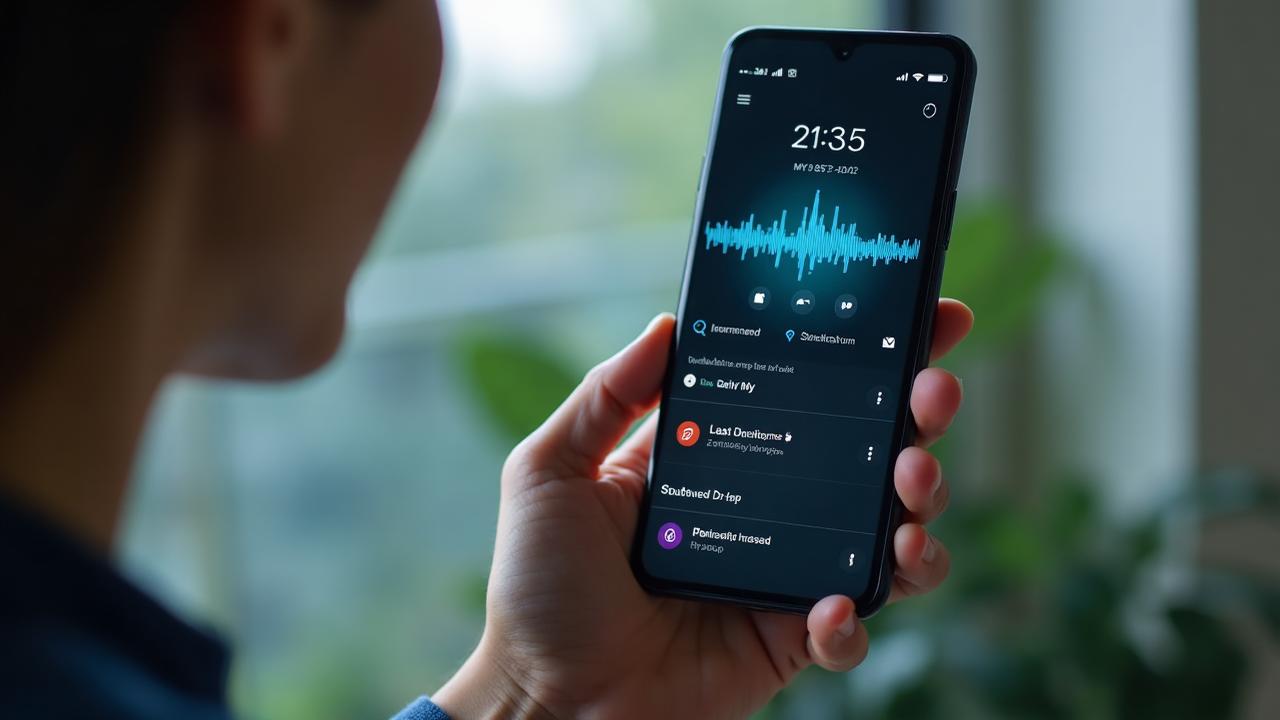
Conversational AI responds better to natural, conversational language patterns than traditional keyword-stuffed content. Write as if you're explaining concepts to an intelligent colleague, using clear language and logical flow.
AI chatbots are more likely to cite content that includes specific data points and statistics, expert quotes and professional insights, step-by-step methodologies, and comparative analyses with clear conclusions. Structure your content to include these citation-worthy elements naturally throughout.
AI search engines are increasingly sophisticated at handling local queries and providing location-specific recommendations. For businesses and local service providers, this presents unique opportunities.
Create comprehensive content addressing local market needs, challenges, and questions. AI systems recognize and reward genuine local expertise that goes beyond simply mentioning location names. Include local context, address regional concerns, and reference local landmarks, events, and market conditions.
AI systems, particularly Google's AI Overviews, frequently pull information from Google Business Profiles when generating local search responses. Ensure your profile is comprehensive, accurate, and regularly updated with posts, photos, and customer engagement.
Our local SEO services incorporate AI-specific optimization techniques that help local businesses dominate both traditional local search and AI-powered local discovery.
While content quality is paramount, technical optimization remains crucial for AI search visibility. AI crawlers and systems have specific technical requirements that must be met for optimal content discovery and indexing.
AI systems favor fast-loading sites that provide good user experiences. Slow sites may be deprioritized in AI-generated responses even if content quality is high. Optimize Core Web Vitals including Largest Contentful Paint (LCP), First Input Delay (FID), and Cumulative Layout Shift (CLS).
With most AI searches occurring on mobile devices, mobile optimization is non-negotiable. Ensure responsive design, fast mobile load times, and touch-friendly navigation.
AI systems must be able to discover and access your content. Ensure proper robots.txt configuration, XML sitemaps that are regularly updated, clean URL structures, and efficient internal linking that helps AI systems understand content relationships.
Our technical SEO services address all these foundational elements while incorporating AI-specific optimization considerations.
Traditional SEO metrics don't fully capture AI search performance. You need new measurement approaches to understand your AI search visibility and optimize accordingly.
Track AI Overview appearances by monitoring when your content is cited in Google's AI-generated responses. Measure branded search growth, as AI exposure often drives increased brand awareness and direct searches. Monitor zero-click search impressions, as appearing in AI responses may not generate clicks but still provides valuable brand exposure. Analyze referral patterns from AI platforms that include source attribution.
Developing proper attribution models for AI search impact requires sophisticated analytics. Look for correlation between AI exposure and increases in branded searches, direct traffic, and overall brand awareness metrics.
The AI search landscape is evolving rapidly. What works today may need adjustment tomorrow as AI systems become more sophisticated and new platforms emerge.
Stay ahead of developments including multimodal search combining text, images, and voice; personalized AI responses tailored to individual user contexts; real-time information integration in AI-generated answers; and specialized AI search platforms for specific industries or use cases.
Rather than optimizing for specific AI platforms, focus on fundamental content quality, comprehensive topical coverage, strong technical foundations, and genuine expertise and authority. These elements will remain valuable regardless of how AI search technologies evolve.
Our comprehensive SEO audits helps businesses build adaptive approaches that maintain effectiveness through AI search evolution.
Many businesses make critical errors when attempting to optimize for AI search visibility. Avoid these common pitfalls to maximize your success.
AI systems are sophisticated at detecting manipulation and over-optimization. Avoid keyword stuffing disguised as "natural language," artificially inflated word counts without substance, and obvious attempts to game AI algorithms through formulaic content patterns.
AI search optimization doesn't replace traditional SEO—it complements it. Maintain focus on both approaches simultaneously, as they work together to maximize overall search visibility.
Optimizing for AI systems while ignoring actual user needs is counterproductive. AI systems are designed to surface content that genuinely helps users, so user-focused content will always perform better than algorithm-focused content.
Different industries face unique challenges and opportunities in AI search optimization.
For online retailers, AI search presents challenges around zero-click results but opportunities through featured product recommendations. Optimize product descriptions with comprehensive details, implement Product schema markup, and create helpful buying guides that AI systems cite when recommending products.
Lawyers, accountants, consultants, and other professional service providers benefit from demonstrating expertise through comprehensive content that addresses client questions thoroughly. AI systems frequently cite professional expertise when generating advice-oriented responses.
Medical and healthcare content faces particularly strict quality and accuracy requirements from AI systems. Ensure all medical content is reviewed by qualified professionals, cites authoritative medical sources, and includes appropriate disclaimers.
Our industry-specific SEO services for healthcare providers, legal firms, and other professional services incorporate AI-specific optimization strategies tailored to each industry's unique requirements.
Strategic content planning becomes even more important in the AI search era. Your content calendar should reflect AI optimization priorities while maintaining relevance to your audience.
Prioritize topics where you can demonstrate genuine expertise and provide comprehensive coverage. AI systems reward depth over breadth, so it's better to thoroughly cover fewer topics than superficially address many.
While text content remains primary for AI search, incorporate diverse formats including detailed how-to guides, comprehensive comparison articles, data-driven research pieces, and expert interviews and insights. This diversity helps establish comprehensive topical authority.
AI systems favor fresh, current content. Establish regular review cycles to update existing content with new information, current statistics, and evolving best practices. Our content refreshing services help maintain content currency and AI search competitiveness.
While AI systems don't directly measure user engagement in the same way traditional algorithms do, engagement signals still matter indirectly through quality indicators.
Content that keeps users engaged tends to be more comprehensive and valuable—exactly what AI systems look for. Focus on clear, engaging writing that holds attention, logical organization that makes content easy to consume, and practical, actionable information that users can implement.
Content that gets widely shared and cited by other authoritative sources signals quality to AI systems. Create genuinely shareable content by providing unique insights or data, taking clear positions on industry topics, and offering practical frameworks or methodologies that others can reference.
AI search optimization shouldn't exist in isolation—it must integrate with your broader digital marketing strategy for maximum impact.
While appearing in AI search responses may not always generate immediate clicks, it builds brand awareness that influences later conversion decisions. Ensure strong branding throughout your content so users remember you when they're ready to purchase or engage.
Use insights from AI search performance to inform paid search strategies. Topics where you appear in AI responses but don't get clicks might benefit from paid search support to capture users in later buying stages.
Our SEO audit services help integrate AI search optimization with all aspects of your digital marketing. For more on this topic, read our guide on Google AI Overviews SEO impact and our SEO, GEO, and AEO guide. Use our free SEO audit tool to benchmark your AI search readiness.
Implementing effective AI search optimization requires a systematic approach. Here's your roadmap to success.
Conduct comprehensive content audit identifying strengths and gaps. Perform technical SEO review ensuring crawlability and performance. Analyze current AI search visibility and benchmark against competitors. Identify high-priority topic clusters aligned with business goals.
Implement schema markup across all key content. Optimize existing high-performing content for AI search. Develop pillar content for core topic areas. Enhance E-E-A-T signals through author bios, credentials, and citations.
Create new cluster content systematically. Monitor AI search performance and adjust strategy. Update and refresh existing content regularly. Test new content formats and approaches. Stay current with AI search platform updates and algorithm changes.
While some basic AI search optimization can be done in-house, achieving maximum visibility and competitive advantage requires specialized expertise and dedicated resources.
Professional AI search optimization provides access to advanced tools for tracking AI search performance, expertise in rapidly evolving AI algorithms and platforms, proven strategies tested across industries and business types, and integrated approaches that balance AI search with traditional SEO and broader marketing goals.
The investment in professional optimization typically delivers strong returns through increased brand visibility, higher-quality traffic from more qualified prospects, competitive advantages over businesses still relying solely on traditional SEO, and future-proofing against ongoing AI search evolution.
Businesses that optimize for AI search now gain significant advantages over those who wait. Early adopters establish topical authority that's difficult for competitors to overcome later, capture mindshare in emerging AI search platforms before they become saturated, and build content assets that compound in value over time.
As more businesses recognize the importance of AI search optimization, competition will intensify and the cost of ranking will increase (see current AI SEO pricing). The time to act is now, while the opportunity for differentiation remains strong.
The transition to AI-powered search represents the most significant shift in digital marketing since the rise of mobile. Businesses that adapt quickly will thrive, while those that ignore these changes risk becoming invisible to a growing segment of searchers. Check where your brand stands today with our AI visibility checker, which tests whether ChatGPT, Gemini, and Perplexity mention your business.
Our team specializes in comprehensive AI search optimization strategies that increase visibility across Google AI Overviews, ChatGPT, Perplexity, and other AI-powered platforms while maintaining strong traditional search performance. We combine cutting-edge AI optimization techniques with proven SEO fundamentals to deliver measurable results.
Related Services: AI-Ready SEO Audits, Technical SEO Optimization, AI-Optimized Content Creation, Local AI Search Optimization
Sailor SEO is an AI SEO agency helping brands rank #1 across Google organic, AI Overviews, ChatGPT, and Perplexity. Get a custom strategy built for your market.
