
SEO for Voice Search: Complete Voice Search SEO Optimization Guide 2025
By Sailor SEO on October 3, 2025
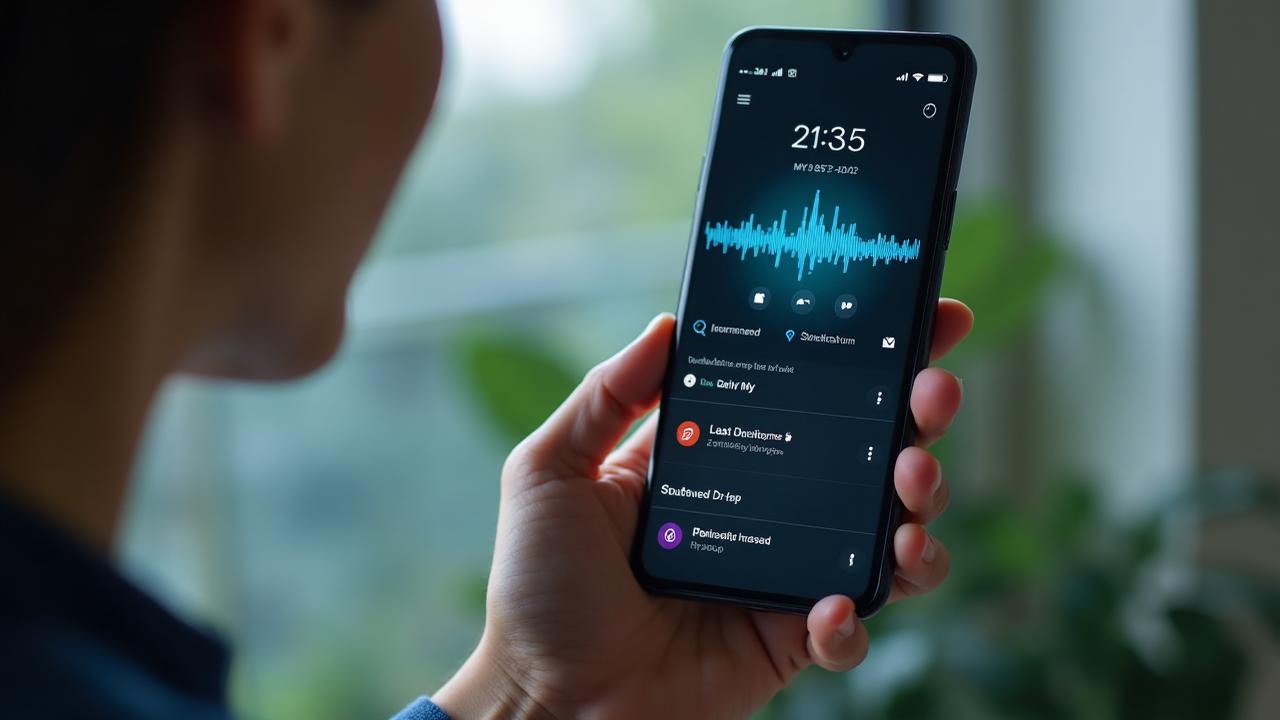
Voice search SEO has transformed from a novelty into the primary search method for millions of users. With smart speakers in over 55% of American homes and voice assistants built into every smartphone, tablet, and smart device, voice search optimization is no longer optional—it is essential. This comprehensive voice search SEO optimization guide reveals proven strategies to capture conversational search traffic and dominate local voice search results in 2025.
How do I optimize for voice search SEO in 2025?
Target conversational long-tail keywords (questions people ask naturally), create comprehensive FAQ-style content, fully optimize your Google Business Profile, implement FAQ and How-To schema markup, ensure mobile page speed under 3 seconds, and focus on featured snippet optimization. Voice searches are 3x more likely to have local intent.
Voice Search SEO Statistics 2025
- 71% of consumers prefer voice search over typing for queries
- Voice commerce sales expected to reach $164 billion by 2025
- 58% of consumers use voice search to find local business information
- Average voice search result is 29 words long
- 75% of voice search results rank in the top 3 positions for that query
- Voice search queries are 76% longer than text searches
Why Voice Search SEO Matters for Your Business
Voice search queries differ dramatically from typed searches. When someone types, they might enter "best pizza your area." When they speak to their voice assistant, they naturally ask, "What is the best pizza restaurant near me that is open right now?" This fundamental shift from abbreviated keywords to natural language questions changes everything about how you should approach local SEO and content creation.
Voice searches are highly intent-driven and action-oriented. Users turn to voice search when they need immediate answers or are ready to take action—whether that means calling a business, getting directions, or making a purchase. According to recent data, nearly 60% of voice search users have contacted a business after using voice search to find local information. This makes voice search SEO optimization directly tied to your bottom line revenue.
Understanding How Voice Search Algorithms Work
Voice assistants like Siri, Google Assistant, Alexa, and Cortana pull information from different sources to answer queries. For local business questions, they typically rely on Google Business Profiles, structured data on websites, featured snippets from high-ranking pages, and AI-generated overviews. This means your Google Business Profile optimization is more critical than ever for capturing voice search traffic.
Voice search algorithms prioritize content that directly answers questions in a conversational tone. They look for clear, concise answers that can be read aloud in seconds—typically 29 words or fewer for the primary answer. The goal is to be the single best answer to a specific question. This is where comprehensive SEO audit services can identify opportunities to optimize your content for voice search queries.
Voice Search Ranking Factors
Technical Factors
- • Page speed under 3 seconds
- • Mobile-first design
- • HTTPS security
- • Schema markup implementation
Content Factors
- • Conversational language
- • Question-based headings
- • Concise answers (29 words avg)
- • High domain authority
Optimize for Question-Based Keywords
Voice searches are dominated by question words: who, what, where, when, why, and how. Your voice search SEO strategy must target these question patterns directly. Instead of just optimizing for "your area plumber," create content that answers "who is the best plumber in your area" or "how much does a plumber charge per hour near me."
Use tools like AnswerThePublic, AlsoAsked, or look at "People Also Ask" boxes in Google search results to discover the questions people are asking about your industry and location. Then create dedicated content that answers each question comprehensively. Effective keyword research should now include voice search query patterns as a core component.
Write in Natural, Conversational Language
Voice search SEO optimization requires a fundamental shift in writing style. Your content should sound like how people actually speak, not like a corporate press release. Use contractions, shorter sentences, and direct language that flows naturally when read aloud. Professional SEO content writing services can help you strike the right balance between conversational tone and optimization.
For example, instead of writing "Our establishment provides comprehensive automotive repair services," write "We fix cars, trucks, and SUVs right here in your area." The second version matches exactly how someone would ask about car repair services, making it more likely to match voice search queries. Expert SEO-optimized blog writing ensures your content resonates with both voice search algorithms and human readers.
Create FAQ Pages for Voice Search Success
FAQ pages are voice search gold mines. They naturally match the question-and-answer format that voice assistants love to feature. Create comprehensive FAQ sections that address common customer questions about your services, location, hours, pricing, and processes. Strategic on-page SEO optimization of FAQ content can dramatically improve your voice search visibility.
Structure each question as a heading (using proper H2 or H3 tags) followed by a clear, concise answer. Keep answers between 40-60 words when possible—this is the ideal length for voice search results. Implement FAQ schema markup to help search engines understand and feature your content in voice search results and AI overviews.
Optimize for "Near Me" Voice Searches
"Near me" is one of the most common phrases in voice search, especially on mobile devices. To capture these high-intent searches, your Google Business Profile must be complete and accurate. Make sure your business name, address, phone number, and category are consistent across all online listings through proper citation building and local SEO strategies.
Include location-specific content throughout your website. Mention your local area, neighborhood, and surrounding areas naturally in your content. Create dedicated pages for each location you serve with targeted local keyword optimization. This helps voice assistants confidently recommend your business for local queries. For businesses, this means optimizing for major markets like each market requiring distinct local optimization strategies.
Speed and Mobile Optimization Are Critical
Most voice searches happen on mobile devices, and voice search users expect instant results. If your website loads slowly or is not mobile-friendly, you will lose voice search traffic even if your content is perfect. Professional site speed optimization and mobile optimization are non-negotiable for voice search SEO success.
Use Google PageSpeed Insights to identify and fix speed issues. Compress images, minimize code, and consider using a content delivery network (CDN). Your goal should be a mobile page load time under three seconds—ideally under two seconds. Comprehensive technical SEO services can address these critical performance factors.
Implement Schema Markup for Voice Search Visibility
Schema markup (structured data) helps search engines understand your content and present it more effectively in voice search results. Implement schema for your business information, FAQs, articles, reviews, products, and how-to guides.
Local business schema is especially important for voice search SEO. It tells search engines exactly what services you offer, where you are located, your hours of operation, and how to contact you. When implemented correctly with proper schema markup, this structured data significantly increases your chances of being featured in voice search results and AI overviews.
Focus on Featured Snippets for Voice Search
When a voice assistant answers a question, it is usually reading from a featured snippet—the highlighted answer box that appears above regular search results. To earn featured snippets, structure your content to directly answer specific questions in concise paragraphs.
Use bullet points, numbered lists, and tables when appropriate. These formats are more likely to be selected for featured snippets. Start paragraphs with the answer to the question, then provide supporting details. This top-down approach matches how voice assistants prefer to extract information for spoken responses.
Build and Maintain Your Online Reputation
Voice assistants consider business ratings and reviews when recommending local businesses. A strong local search presence with numerous positive reviews increases your likelihood of being recommended in voice search results. Professional local search optimization helps you stay on top of your online presence.
Encourage satisfied customers to leave reviews on Google, Facebook, and industry-specific review sites through effective local SEO strategies. Respond professionally to all reviews with local SEO management. Voice assistants are more likely to recommend businesses with high ratings and consistent positive feedback.
Voice Search SEO Frequently Asked Questions
What is voice search SEO optimization?
Voice search SEO optimization is the process of optimizing your website content and technical setup to appear in voice search results from assistants like Siri, Google Assistant, and Alexa. It focuses on conversational keywords, question-based content, and featured snippet optimization.
How is voice search different from text search?
Voice searches are typically longer, more conversational, and question-based compared to text searches. Voice queries average 29+ words while text searches average 3-4 words. Voice searches also have higher local and immediate intent.
How do I optimize my website for voice search?
Optimize for voice search by targeting question-based keywords, creating FAQ content, implementing schema markup, improving page speed, optimizing for mobile, and focusing on featured snippet rankings. Ensure your Google Business Profile is complete for local voice searches.
Does voice search affect local SEO?
Yes, voice search significantly impacts local SEO. 58% of consumers use voice search to find local businesses. "Near me" queries are especially common in voice search, making Google Business Profile optimization and local content essential.
What is the ideal answer length for voice search?
The average voice search result is 29 words long. Aim to provide direct, concise answers between 29-50 words for the primary response, followed by supporting details. This length is optimal for voice assistants to read aloud.
How long does voice search SEO take to show results?
Voice search SEO improvements typically show results within 3-6 months. Featured snippet gains can happen faster with properly structured content. Consistent optimization and monitoring are key to long-term voice search success.
Monitor and Adapt Your Voice Search Strategy
Voice search is constantly evolving as AI technology improves and user behavior changes. Regularly review your search console data to see which questions are bringing people to your site. Look for patterns in how people phrase voice-friendly queries versus traditional searches. Regular SEO audits help identify new voice search opportunities and optimization areas.
Test your own content with voice search. Ask Siri, Google Assistant, and Alexa questions about your industry and location. See which businesses they recommend and why. This hands-on research will reveal opportunities to improve your voice search optimization. Use our free SEO audit tool to identify voice search optimization gaps on your site.
Final Thoughts on Voice Search SEO Optimization
Voice search SEO optimization is not a separate strategy—it is an extension of good SEO practices focused on answering questions clearly and naturally. By optimizing for conversational language, question-based keywords, local intent, and featured snippets, you will improve both your voice search performance and your traditional search rankings. For more on how AI is reshaping search, read our guide on Google AI Overviews SEO impact and our local SEO ranking factors.
Ready to Outrank Your Competition?
Sailor SEO is an AI SEO agency helping brands rank #1 across Google organic, AI Overviews, ChatGPT, and Perplexity. Get a custom strategy built for your market.